High Protein Low Calorie Dinner Recipes Under 400 Calories
A high protein low calorie dinner recipe under 400 calories is one that packs at least 25-30 grams of protein while staying below that calorie ceiling. You get the satiety and muscle-supporting benefits of protein without blowing your daily energy budget. The trick lies in choosing lean proteins, filling vegetables, and measuring high-calorie extras like oil and grains.
Cooking this way doesn’t mean tiny portions or bland food. With the right ingredients and techniques, you can build dinners that taste generous and keep you satisfied until breakfast; this is a core principle behind our 15 High Protein Meal Prep Lunches For The Whole Family too.
Table of Contents
- What Makes a Dinner High in Protein and Low in Calories?
- Why 400 Calories Is a Smart Target for Weight Management
- Our Top 5 High Protein Low Calorie Dinner Recipes Under 400 Calories
- How to Build Your Own High Protein Low Calorie Dinner: A Flexible Framework
- What the Experts Say About High Protein, Low Calorie Eating Patterns
- Common Mistakes When Cooking High Protein Low Calorie Dinners
- Meal Prep Strategies for High Protein Low Calorie Dinners
- Frequently Asked Questions About High Protein Low Calorie Dinners
What Makes a Dinner High in Protein and Low in Calories?
A high protein, low calorie dinner balances two things: a high ratio of protein to total energy, and a total calorie count that fits your daily needs. For a meal under 400 calories, you want at least 25 grams of protein. That gives you a good start toward the daily recommendation without eating up your calorie allowance.
The Dietary Guidelines for Americans suggest that adults get 10-35% of their daily calories from protein. For a 2,000-calorie diet, that’s roughly 50-175 grams per day. A dinner with 30 grams of protein fits nicely into that range while leaving room for breakfast, lunch, and snacks.
The main sources of protein in these meals are lean meats, poultry, fish, tofu, legumes, and eggs. To keep calories low, you pair these with non-starchy vegetables like broccoli, spinach, bell peppers, and zucchini. You also control portions of higher-calorie items like oil, nuts, cheese, and grains.
Volume matters too. A big plate of roasted vegetables and seasoned chicken feels more satisfying than a small piece of meat with a side of rice. You get more food for the same calories.
Why 400 Calories Is a Smart Target for Weight Management
Setting your dinner at 400 calories is a practical choice for most people aiming to lose or maintain weight. A typical daily calorie budget for weight loss falls between 1,500 and 1,800 for women and 1,800 to 2,200 for men. By keeping dinner at 400 calories, you have flexibility for breakfast (300-400 calories), lunch (400-500 calories), and snacks (200-300 calories).
The Dietary Guidelines for Americans provide general calorie ranges based on age, sex, and activity level. A 400-calorie dinner fits within these guidelines without needing to skip other meals.
Harvard’s Healthy Eating Plate model offers a useful framework. It suggests that half your plate should be vegetables and fruits, a quarter whole grains, and a quarter healthy protein. This structure naturally keeps calories in check while providing enough protein and fiber for satiety.
A common misconception is that low-calorie means small portions. That’s not true. A dinner under 400 calories can be generous when you choose nutrient-dense foods. A large salad with grilled chicken, a bowl of vegetable soup with lean beef, or a stir-fry with tofu and broccoli all fill a plate without hitting 400 calories.
The key is density, not deprivation.
Our Top 5 High Protein Low Calorie Dinner Recipes Under 400 Calories
We tested these high protein low calorie dinner recipes under 400 calories in our own kitchen. Each one delivers a solid protein punch without going over the calorie limit. We focused on variety, poultry, tofu, pork, and a salad option, so you never get bored.
Air Fryer Chicken Skewers with Roasted Vegetables
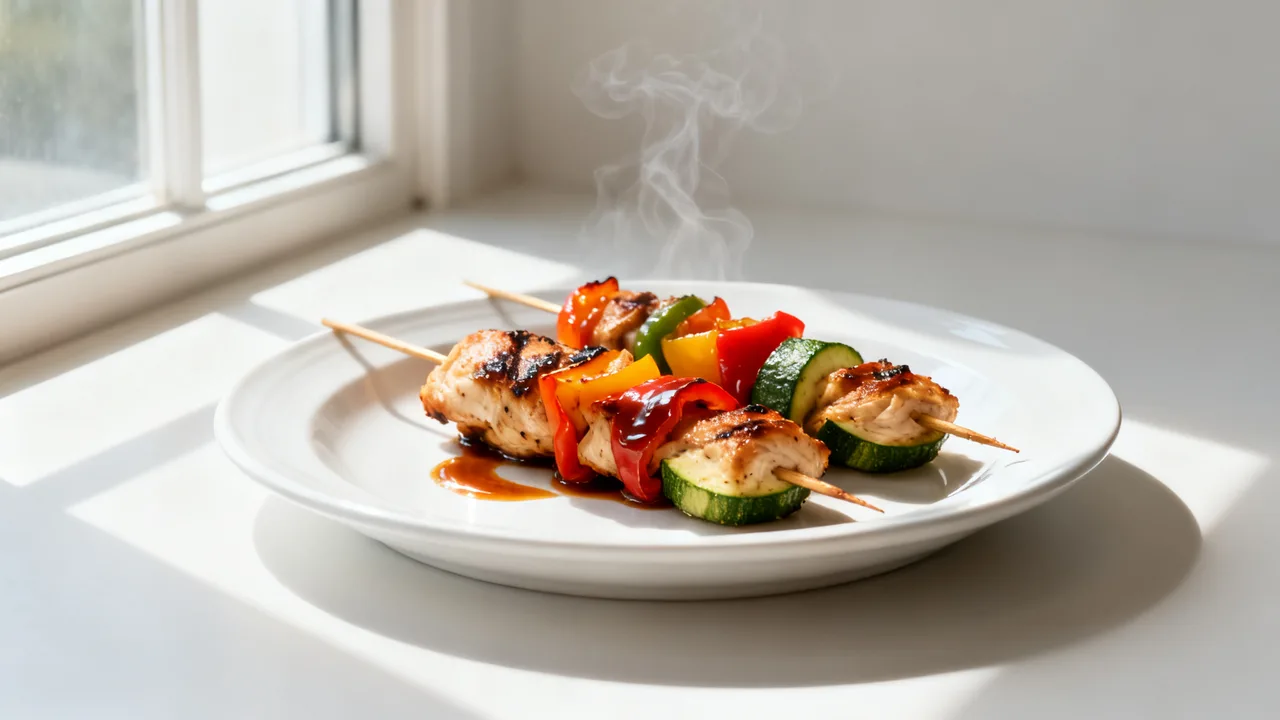
This recipe starts with 4 to 5 ounces of seasoned chicken breast threaded onto skewers. You air-fry the skewers until the exterior is golden and the interior hits 165°F. Meanwhile, roast a cup of mixed bell peppers, zucchini, and red onion with a light spray of oil.
The result? About 380 to 440 calories and 35 to 45 grams of protein per serving. The air fryer does the work with very little oil, keeping the calorie count low. We like to serve the skewers over a handful of fresh arugula for extra volume.
Pro tip: Marinate the chicken in lemon juice, garlic, and a splash of low-sodium soy sauce for 20 minutes before cooking. The acid helps tenderize the meat. Avoid heavy marinades with oil or sugar, which add calories fast.
Crispy Tofu with Teriyaki Noodles
This plant-based option proves you don’t need meat to hit a high protein target. Four ounces of extra-firm tofu gets pressed, cubed, and air-fried until crispy on all sides. You toss it with three-quarters of a cup of cooked whole-wheat noodles and steamed broccoli.
Add one to two tablespoons of teriyaki sauce for flavor. The whole dish comes in at 405 to 470 calories with 24 to 32 grams of protein. It’s slightly above 400 calories depending on your sauce and noodle portions, so feel free to cut back on the noodles and add more broccoli.
Pro tip: Press the tofu for at least 30 minutes before cooking. This removes excess water so the tofu crisps up properly. If you skip this step, the exterior stays soft and the texture suffers.
Salt and Pepper Chicken with Brown Rice
This is a staple in our test kitchen. Season a 4 to 5 ounce chicken breast with salt, pepper, and a pinch of garlic powder. Cook it in a non-stick skillet with one to two teaspoons of oil, then toss in sliced bell peppers and onions.
Serve over half a cup of cooked brown rice. The meal delivers 37 to 47 grams of protein at 390 to 450 calories. The measured oil and rice portion are what keep it close to that 400-calorie target.
Pro tip: Use a kitchen scale to portion the chicken and rice. Eyeballing a half-cup of brown rice can easily turn into three-quarters of a cup, adding 50 to 70 calories without you noticing.
BBQ Pork Mashed Potato Bowl
Lean pork loin makes this bowl work. Cook 4 ounces of pork loin on a grill pan or in a skillet with minimal oil. Serve it over half a cup of mashed potatoes made with low-fat milk instead of butter and cream.
Add one cup of steamed green beans and one tablespoon of light BBQ sauce. The total is 33 to 38 grams of protein at 400 to 460 calories. The mashed potatoes feel indulgent, but using low-fat milk keeps them light.
Pro tip: Make the mashed potatoes with a splash of chicken broth for flavor instead of butter. You save about 50 calories per tablespoon of butter that you skip.
Greek Chicken and Farro Salad
This is our go-to warm-weather dinner. Grill or pan-sear a 4 to 5 ounce chicken breast seasoned with oregano, lemon, and garlic. Slice it over a bed of mixed greens, cucumber, cherry tomatoes, and cooked farro.
A simple lemon vinaigrette ties it together. Each serving comes to about 380 calories and 26 grams of protein. The farro adds chewiness and fiber, while the vegetables provide bulk for very few calories.
Pro tip: Cook the farro in advance and keep it in the fridge. Cold farro works well in this salad and saves you 20 minutes of cooking time. Just toss it with the vinaigrette while it’s still warm to absorb the flavor.
How to Build Your Own High Protein Low Calorie Dinner: A Flexible Framework
You don’t need a specific recipe every night. Once you understand the structure, you can build your own high protein low calorie dinner from what you have in the fridge.
Start with a lean protein source. Good options are chicken breast (4-5 ounces), turkey breast, extra-firm tofu, firm fish like cod or tilapia, lean pork loin, or legumes like lentils and chickpeas. Aim for 25 to 35 grams of protein from this component.
Add a generous portion of non-starchy vegetables. Think broccoli, spinach, zucchini, bell peppers, cauliflower, green beans, asparagus, or mushrooms. Fill roughly half your plate with these. They add volume, fiber, and micronutrients for very few calories.
Then add a small serving of complex carbohydrates or healthy fats. This could be half a cup of cooked quinoa, brown rice, farro, or sweet potato. Or a quarter of an avocado, a tablespoon of nuts, or a sprinkle of cheese. This component adds 80 to 120 calories and provides texture and satisfaction.
Harvard’s Healthy Eating Plate recommends that protein makes up about a quarter of your plate. That’s a helpful visual guide. The rest should be vegetables (half the plate) and whole grains (the remaining quarter).
Watch your cooking fats. A tablespoon of olive oil adds about 120 calories. Use a non-stick pan so you need only a teaspoon, or use cooking spray for a lighter option. Measure rather than pour.
For vegetarian versions, swap the meat for tofu, tempeh, or a scoop of cooked lentils. These provide similar protein levels without animal products. For gluten-free needs, use quinoa or rice instead of farro or whole-wheat noodles.
What the Experts Say About High Protein, Low Calorie Eating Patterns
Eating pattern guidelines from major health organizations support the idea that high protein meals can play a role in weight management and overall health. The key is quality and balance.
The Academy of Nutrition and Dietetics notes that high-protein diets can help with weight management when they emphasize lean proteins and plant-based sources. Protein promotes satiety, which may lead to reduced overall calorie intake. The Academy recommends spreading protein intake across all meals rather than loading up at dinner.
The American Heart Association encourages choosing heart-healthy protein sources. That means lean poultry without the skin, fish rich in omega-3s, legumes, and low-fat dairy. They also recommend limiting sodium, which is important for anyone relying on pre-made sauces or seasonings for their high protein dinners.
The National Institutes of Health, Office of Dietary Supplements reports that most Americans get enough protein in their diets. But distribution matters. Many people eat a small breakfast and lunch with a very large dinner. Shifting some of that protein to earlier meals can support muscle maintenance and stable energy.
These organizations all agree on one thing: protein quality counts. A dinner of processed chicken nuggets and cheese is not the same as grilled chicken breast with vegetables. Whole-food sources provide protein along with vitamins, minerals, and fiber that processed options lack.
Common Mistakes When Cooking High Protein Low Calorie Dinners
We see these mistakes often in our kitchen. The good news is they’re easy to fix once you know what to watch for.
Over-relying on cooking oils and dressings. A tablespoon of olive oil is 120 calories. Two tablespoons of ranch dressing is about 140 calories. These can add 200 to 300 calories to a meal that was otherwise under 400. Use cooking spray, non-stick pans, and vinegar-based dressings instead. Measure every pour.
Choosing processed ‘low-calorie’ products that are low in protein. Some frozen dinners and packaged meals claim to be under 400 calories but deliver only 10 to 15 grams of protein. That’s not enough to keep you full until the next meal. Read labels and look for at least 20 grams of protein per serving.
Skipping vegetables to save calories. This backfires. Vegetables add volume and fiber, which help you feel full. A plate of just chicken and rice feels small. The same chicken and rice with two cups of roasted broccoli feels like a feast. The broccoli adds only about 60 calories but doubles the volume.
Not measuring portions of calorie-dense ingredients. Nuts, cheese, avocado, and grains are healthy but calorie-rich. A quarter-cup of almonds is about 170 calories. A half-cup of cooked quinoa is about 110. Eyeballing these can easily double the intended portion. Use measuring cups or a food scale until you can estimate accurately.
Meal Prep Strategies for High Protein Low Calorie Dinners
Meal prep makes these dinners practical for busy weeks. With a few hours on Sunday, you can set yourself up for five nights of protein-packed, low-calorie eating.
Start with batch-cooking proteins. Grill six chicken breasts at once, or bake a sheet pan of tofu cubes and a tray of fish fillets. Each protein will keep in the fridge for 3 to 4 days. Reheat them in the air fryer or a hot skillet to restore texture.
Pre-chop your vegetables. Wash and cut broccoli florets, slice bell peppers, trim green beans, and dice onions. Store each vegetable in a separate container or bag. When it’s time to cook, you just grab and go.
Portion your grains into single servings. Cook a batch of brown rice, quinoa, or farro. Measure out half-cup portions into containers or small bags. This prevents the common mistake of eating too many grains at dinner.
Store sauces separately. If you’re using teriyaki, BBQ sauce, or vinaigrette, keep it in a small container until serving time. This keeps the food from getting soggy and lets you control the amount.
The Greek Chicken and Farro Salad is a perfect meal prep recipe. Cook the chicken and farro on Sunday. Store them separately from the greens and dressing. Each night, assemble a fresh salad in about two minutes. The greens stay crisp because they aren’t sitting in dressing all week.
Our High Protein Low Calorie Meal Ideas section has more prep-friendly recipes. The key is to keep components separate and combine them fresh.
Frequently Asked Questions About High Protein Low Calorie Dinners
What is a high protein low calorie dinner?
A high protein low calorie dinner typically contains at least 25 grams of protein while staying under 400 calories. It focuses on lean proteins, vegetables, and controlled portions of grains and fats. This balance supports satiety and muscle maintenance without exceeding your daily calorie goals.
Is 400 calories enough for dinner for weight loss?
Yes, for most adults. A 400-calorie dinner fits into a standard 1,500 to 2,000-calorie daily budget. It leaves room for breakfast, lunch, and snacks. The key is to make those 400 calories count with protein, fiber, and nutrients rather than empty calories.
What are some high protein low calorie dinner ideas?
Our top five tested ideas are Air Fryer Chicken Skewers with Roasted Vegetables, Crispy Tofu with Teriyaki Noodles, Salt and Pepper Chicken with Brown Rice, BBQ Pork Mashed Potato Bowl, and Greek Chicken and Farro Salad. Each delivers 25 to 47 grams of protein under or near 400 calories.
How do I make a high protein low calorie dinner?
Start with a lean protein source like chicken, tofu, or fish. Fill half your plate with non-starchy vegetables. Add a small serving of whole grains or healthy fats. Use minimal oil and measure calorie-dense ingredients. This framework works with any protein and vegetable you have on hand.
Is a high protein low calorie diet healthy?
Yes, when done with whole foods and balanced nutrition. Major health organizations like the Academy of Nutrition and Dietetics and the American Heart Association support high protein eating patterns that emphasize lean meats, fish, legumes, and vegetables. The key is protein quality and overall dietary variety.
Can I meal prep high protein low calorie dinners?
Absolutely. Batch-cook your proteins, chop vegetables ahead, portion grains into single servings, and store sauces separately. The Greek Chicken and Farro Salad is an excellent prep candidate. Components stay fresh for 3 to 4 days, and assembly takes under five minutes.